When I began building digital collections in Omeka, it was an opportunity to develop my skills in using metadata elements and controlled vocabularies while also getting hands-on experience with digital curation. Over time, I realised that the most rewarding part of the process was the practice of storytelling.
Many of the materials featured in my collections originate from established repositories such as the Greek State Archives and other cultural heritage institutions. These records already exist, their provenance is well established, and they have been carefully preserved. Yet by necessity, state and institutional archives are organised according to broader administrative principles rather than the questions that researchers and family historians bring to them.
Creating a specialised digital collection is an act of curation. By selecting materials, describing them, and placing them in conversation with one another, a collection can reveal connections that are not immediately visible within the archives from which the items are sourced. This idea shaped both of my Omeka projects.
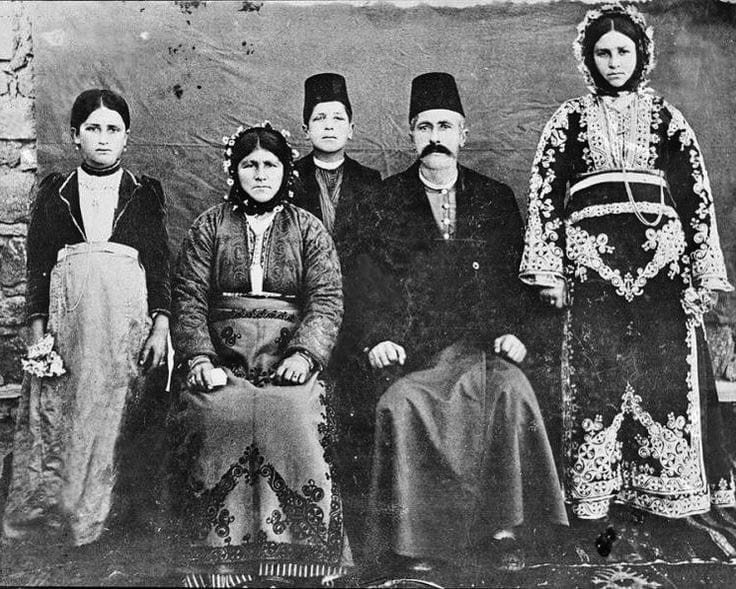
The Anatolikis Asia Minor Collection brings together materials relating to Greeks in Asia Minor and the wider Eastern Mediterranean, creating a space where family and community histories can be explored through a shared historical lens.

In the archive for Textile Cultures and Industries in Greece after the Asia Minor Crisis, a collaborative project developed with my colleagues Aggeliki Papadomanolai and Maria Harissi, Asia Minor again shapes the selection of materials. The Textile Cultures project examines how the Asia Minor Catastrophe impacted the textile industry in Greece. By bringing these items into a single collection, the archive, like the project, reveals the connections between events like the relocation of the Pontian Ladies Welfare Association from Pontus to Thessaloniki where they ran workshops to help young refugee women, the expansion of textile factories in areas where industrialists could draw on refugee female labour, and the influence of Asia Minor symbols and motifs in Greek embroidery.

In both cases, the collections are organised around questions, experiences, and stories that matter to particular communities and audiences. They create pathways into existing archives. In this sense, these curated collections are an exercise in selection, interpretation and storytelling.


